
Knee Scooters NZ
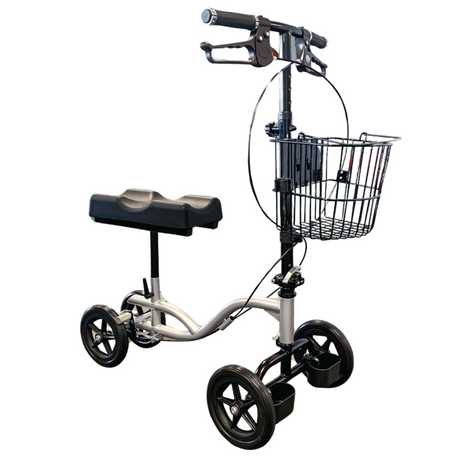
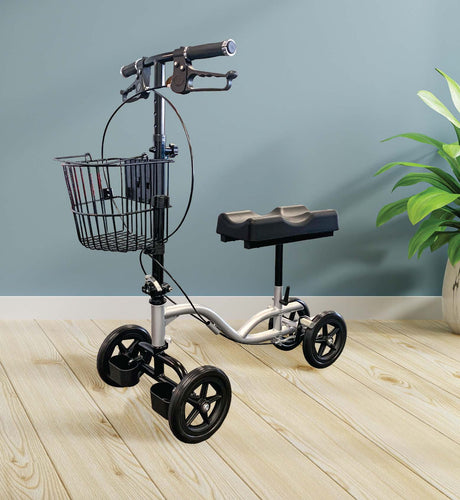
Knee scooters in NZ are widely used as a mobility aid for people recovering from injuries such as fractures, sprains, or post-surgical procedures affecting the lower leg. Compared to crutches, a knee walker allows you to rest your injured leg on a padded platform while propelling yourself with the other leg, helping reduce strain on the upper body and improving overall balance.
Knee scooters are especially useful for longer periods of mobility where comfort and stability are important. They are commonly used both indoors and outdoors, depending on the model and wheel design.
Benefits of Using a Knee Walker
A knee walker offers several practical benefits during recovery:
- reduces weight-bearing on the injured foot or ankle
- provides a stable and balanced alternative to crutches
- allows hands-free rest on handlebars for steering and braking
- supports longer periods of movement with less fatigue
- improves independence during daily activities
For many users, knee scooters are easier to manage than crutches, particularly when moving around the home or navigating longer distances.
Features to Look for in a Knee Scooter
When choosing a knee scooter, it is important to consider the features that will best suit your recovery needs and environment:
- adjustable handlebar height for comfortable positioning
- padded knee platform for support and pressure distribution
- reliable braking system for safety and control
- foldable or compact design for transport and storage
- suitable wheel size for indoor or outdoor use
Selecting the right combination of features helps ensure a more comfortable and practical experience during recovery.
Choosing the Right Knee Scooter
The right knee scooter will depend on your injury, lifestyle, and where you plan to use it. For indoor use, a compact and lightweight model may be ideal. For outdoor use, larger wheels and a more robust frame can offer better stability over uneven surfaces.
You should also consider weight capacity, adjustability, and ease of transport. If you need to take the scooter in a car, a foldable design can be especially useful.
It is always recommended to follow medical advice on whether a knee scooter is suitable for your specific injury and stage of recovery.
Knee Scooters for Foot and Ankle Injuries
Knee scooters are commonly used for conditions such as:
- broken foot or ankle
- sprained ankle
- Achilles tendon injuries
- post-operative recovery from foot or ankle surgery
By keeping weight off the injured area, a knee walker can help support safer movement while allowing you to stay mobile during recovery.
Safety and Use of Knee Scooters
Using a knee scooter safely is important for effective recovery. Always ensure the scooter is adjusted correctly to your height and that the knee platform supports your leg comfortably.
When using a knee scooter:
- keep both hands on the handlebars while moving
- use the brakes when stopping or on slopes
- avoid uneven or slippery surfaces where possible
- take care when turning or navigating tight spaces
Proper use helps maintain stability and reduces the risk of further injury.
Why Choose a Knee Scooter from Allied Medical
Allied Medical provides knee scooters designed for practical, everyday use during recovery. With a focus on stability, adjustability, and ease of use, the range supports people looking for reliable mobility solutions in New Zealand.
The team also offers guidance to help you choose the right knee walker for your needs, ensuring you have the support and information required during your recovery journey.
Frequently Asked Questions
What is a knee scooter used for?
What is a knee scooter used for?
A knee scooter is used to assist mobility while keeping weight off an injured foot, ankle, or lower leg.
Is a knee scooter better than crutches?
Is a knee scooter better than crutches?
Many people find knee scooters more stable and comfortable than crutches, especially for longer periods of use.
Can I use a knee scooter outdoors?
Can I use a knee scooter outdoors?
Yes. Many knee scooters are suitable for outdoor use, particularly models with larger wheels designed for uneven surfaces.
How do I adjust a knee scooter?
How do I adjust a knee scooter?
Most knee scooters have adjustable handlebars and knee platforms to suit your height and comfort.
What injuries are knee scooters suitable for?
What injuries are knee scooters suitable for?
They are commonly used for foot fractures, ankle injuries, Achilles tendon issues, and post-surgical recovery.
Can I sit on a knee scooter?
Can I sit on a knee scooter?
No. A knee scooter is designed for resting your knee on the platform while standing and moving.
Do knee scooters have brakes?
Do knee scooters have brakes?
Yes. Most knee scooters include hand brakes for safety and control while moving or stopping.
Can I use a knee scooter on uneven ground?
Can I use a knee scooter on uneven ground?
Some models can handle uneven surfaces, but caution is needed. Larger wheels generally provide better stability outdoors.
Are knee scooters suitable for long-term use?
Are knee scooters suitable for long-term use?
They are typically used during recovery periods. Long-term suitability depends on individual needs and medical advice.
About Allied Medical
Allied Medical is a trusted New Zealand provider of mobility and rehabilitation equipment, offering practical solutions to support everyday independence. The knee scooter range is selected to provide reliable support during injury recovery, with a focus on comfort, stability, and ease of use. With knowledgeable guidance and a commitment to quality, Allied Medical helps customers find the right mobility solutions for their needs.